
U.S. blames Kiir for obstructing peace progress amid renewed UN sanctions

In a statement delivered before the UN Security Council, Jennifer Locetta, the Alternative Representative for Special Political Affairs at the U.S. Mission to the United Nations, welcomed the Council’s decision to extend the South Sudan sanctions regime, including the arms embargo, travel ban, asset freeze measures, and the mandate of the Panel of Experts, until 31 May 2027.
The United States, which serves as the penholder on South Sudan sanctions at the Security Council, said the extension was necessary because of the continued deterioration of the country’s political and security environment and the failure of leaders to implement key provisions of the 2018 revitalised peace agreement.
“We are disheartened by the lack of progress on the benchmarks and the continuing deterioration of the political and security situation in South Sudan,” Locetta said.
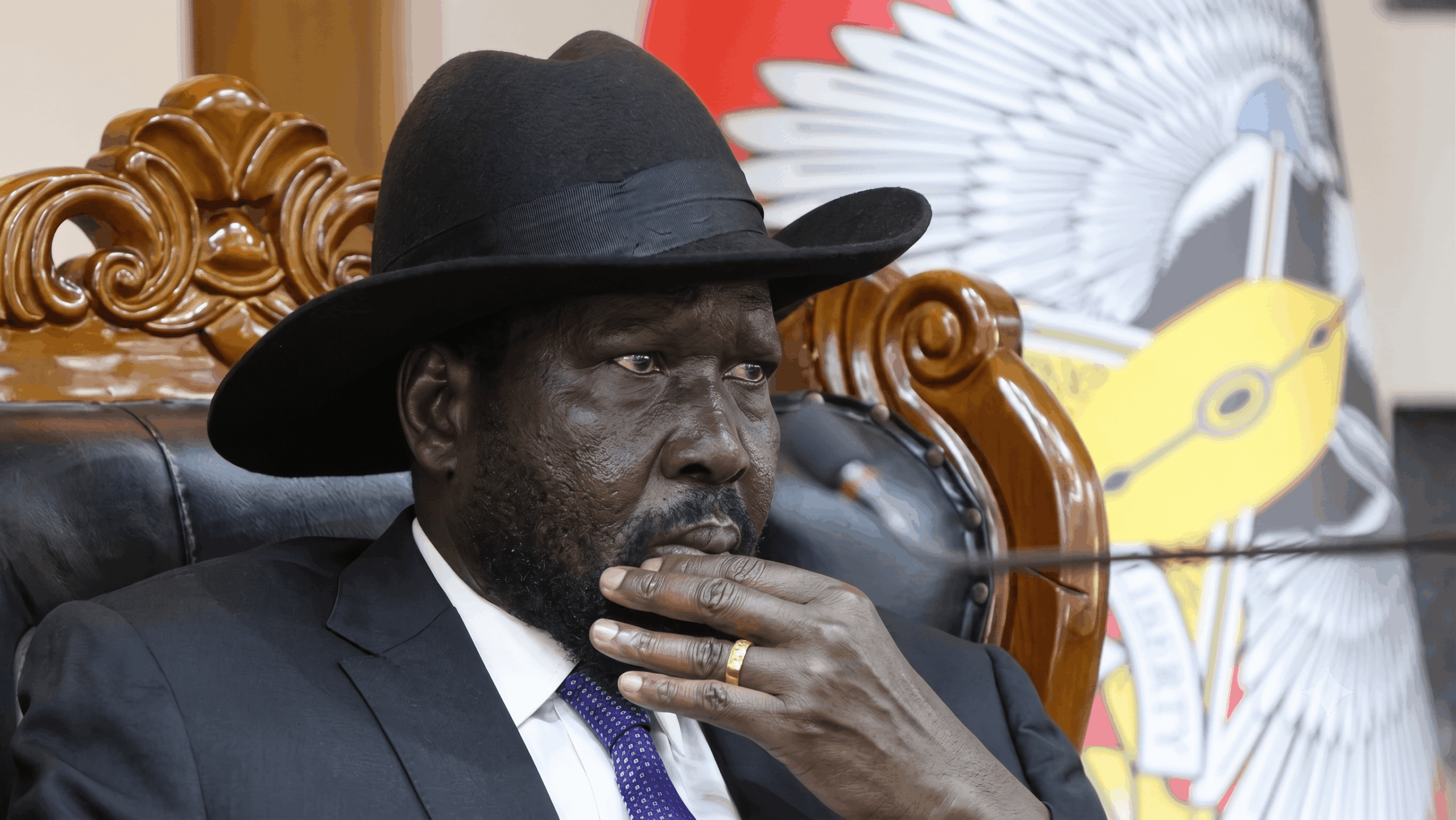
She directly blamed President Kiir and other political leaders for the stalled peace process, saying the lack of progress stemmed from an absence of political commitment at the highest levels of government.
“Let’s be clear. This lack of progress is due to a lack of political will by President Kiir, as well as other South Sudanese leaders,” she said.
The remarks come amid heightened political tensions and renewed clashes in parts of the country that have raised concerns among regional and international actors about the future of the peace agreement signed in 2018.
The U.S. official urged South Sudan’s leaders to return to meaningful dialogue and take concrete steps to de-escalate violence.
“It is farcical to suggest that such dialogue is occurring when one of the signatories to the 2018 peace agreement is under house arrest and on trial,” Locetta said, in an apparent reference to detained opposition figures linked to the ongoing political crisis.
Washington warned that the Security Council could not tolerate actions that obstruct the implementation of the peace agreement or undermine transitional arrangements intended to guide the country toward democratic elections.
The United States called on the transitional government to take immediate measures to restore stability, including declaring a nationwide ceasefire, releasing detainees, renouncing violence as a political tool, and ensuring that public revenues are used to improve the lives of citizens rather than serve political interests.
Locetta also criticised what she described as persistent governance failures since South Sudan gained independence in 2011.
“For years before South Sudan’s independence, the Sudan People’s Liberation Movement claimed to seek the end of marginalisation of the southern Sudanese by leaders in Khartoum,” she said. “Through bad governance and misuse of revenue, that marginalisation continues, imposed by South Sudan’s own leaders.”
The Security Council’s decision to renew sanctions has once again exposed divisions between South Sudan’s government and several Western nations, which argue that restrictive measures remain necessary to pressure leaders to implement the peace agreement and protect civilians.
South Sudanese officials have repeatedly called for the lifting of the sanctions and arms embargo, arguing that the measures hinder efforts to build professional security institutions. However, supporters of the sanctions maintain that the continued delays in implementing critical peace provisions, coupled with recurring violence and political instability, justify their extension.
The renewed sanctions regime will remain in force until 31 May 2027 unless the Security Council decides otherwise.
sudanspost.com