
Israeli Military Strikes Beirut Suburbs ahead of Anticipated USIran Deal
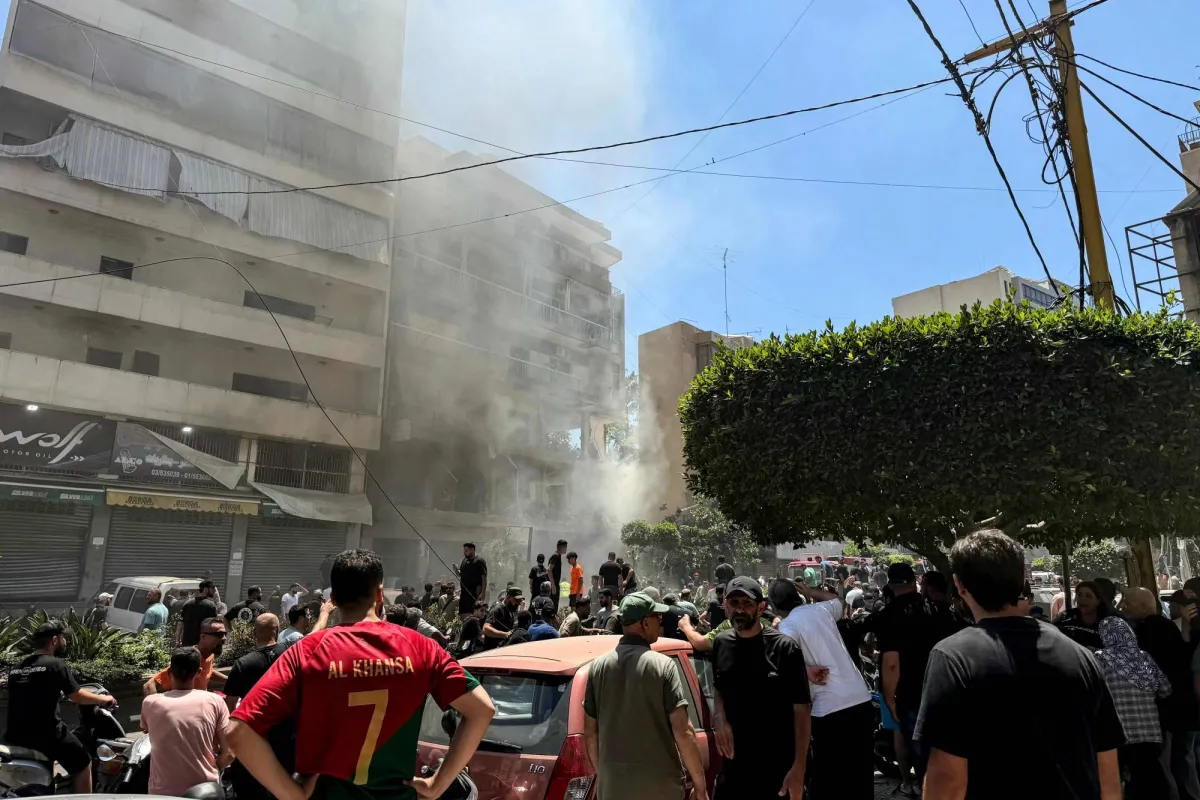
The Israeli military said it launched strikes on Hezbollah targets in Beirut on Sunday, potentially complicating efforts to finalize a deal to end the US-Iran war. Smoke rose over the Lebanese capital, and the Civil Defense said it retrieved three bodies and six wounded people from the rubble.
Iran threatened a military response.
The deal in its current form is a deep disappointment to Israel's government, which has been sidelined in negotiations led by Pakistan and others. The last time Israel struck the Beirut suburbs a week ago, it set off the most serious escalation of fighting between Iran and Israel since the tenuous ceasefire took hold April 7, according to The AP news.
There was no immediate White House comment on Israel’s strikes. US President Donald Trump, who had said the deal could be signed Sunday, has pressed Israeli Prime Minister Benjamin Netanyahu to stop hitting Lebanon hard while a deal is near, but the prime minister has defied him.
Netanyahu's office said the strikes were in response to Hezbollah attacks on northern Israel. Israel’s military said Hezbollah launched three projectiles, releasing footage where an audible boom was followed by rising smoke. There was no immediate comment from the Iranian-backed Hezbollah.
“Israel will not tolerate firing into its territory,” Netanyahu and Defense Minister Israel Katz said in a statement. The military later said it was preparing for potential incoming fire in the coming hours.
An Associated Press photographer at the scene in Beirut said a five-story apartment building with shops on the ground floor was struck. The two lowest floors were the most heavily damaged. Residents of the southern suburbs, many of whom had returned home after weeks of relative calm, could be seen fleeing.
“Without a doubt, these crimes will not go unanswered,” said Gen. Mohammad Jafar Asadi, deputy commander of Iran’s Joint Command Headquarters, the official Mizan news agency reported.
Qatari mediators traveled to Tehran on Sunday to finalize the agreement, according to two regional officials.
The officials, who spoke on condition of anonymity because they were not authorized to speak to the media, expressed cautious optimism that the US and Iran were finally approaching a deal that could halt hostilities that have killed thousands of people and reopen the Strait of Hormuz, whose closure has thrown world markets into disarray.
aawsat.com